
BMI Calculator: Check Your Body Mass Index & Healthy Weight Range
BMI Calculator
A BMI calculator helps you quickly check if your weight is healthy for your height. Just enter your height and weight, and the tool will calculate your Body Mass Index instantly. Your result shows whether you are underweight, in a normal range, overweight, or obese.
This free calculator works for men and women of all body types. It gives you a simple way to understand your weight status, track progress, and spot possible health risks early without doing any manual math.
How to Use This BMI Calculator
Using the calculator is simple:
Enter your height
Enter your weight
Click the calculate button
Your BMI score and category appear instantly
You don’t need to remember any formula. The calculator does everything for you and shows your result in seconds.
What Is Body Mass Index (BMI)?
Body Mass Index, commonly called BMI, is a number calculated from your height and weight. It helps estimate whether your body weight is appropriate for your height.
Doctors, hospitals, and health organizations use BMI as a quick screening tool. It does not directly measure body fat, but it helps identify people who may be at risk of weight-related health problems.
Because BMI is simple and fast to calculate, it is one of the most widely used health measurements in the world.
Why BMI Is Important for Health
BMI helps you understand your weight status before serious health problems develop. Many people do not realize their weight has moved outside the healthy range until they check it.
A high BMI may signal increased risk of conditions such as heart disease, diabetes, or high blood pressure. A very low BMI may suggest nutrition problems or low body strength.
BMI is also useful when you are trying to lose or gain weight. By checking your BMI over time, you can see whether your lifestyle changes are moving you toward a healthier range.
While BMI Calculator alone does not give a full health picture, it is a strong starting point for understanding your body.
BMI Calculator Formula With Example
Metric Formula
BMI = weight (kg) ÷ height² (m²)
Example:
If a person weighs 70 kg and their height is 1.75 m:
BMI = 70 ÷ (1.75 × 1.75) = 22.9
Imperial Formula
BMI = 703 × weight (lb) ÷ height² (inches)
Since doing this math manually can be confusing, most people prefer using an online calculator to get instant results.
BMI Example With Real Numbers
Let’s take a simple example.
Ali weighs 70 kg and his height is 1.75 m.
Using the BMI formula:
BMI = 70 ÷ (1.75 × 1.75)
BMI = 22.9
This result falls inside the normal weight range, which means his weight is considered healthy for his height.
Real examples like this help you understand what your own BMI number means in practical terms.
BMI Categories and Healthy Range
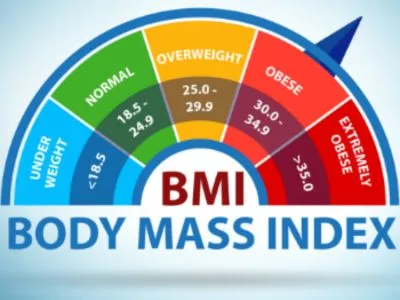
Health experts classify BMI into standard ranges for adults:
Below 18.5 Underweight
18.5 to 24.9 Normal weight
25 to 29.9 Overweight
30 or higher Obese
These ranges are used worldwide for adults aged 20 and above. They help doctors quickly identify whether a person’s weight may be affecting their health.
Healthy Weight Range by Height
The table below shows an approximate healthy weight range for adults based on BMI between 18.5 and 24.9.
Height | Healthy Weight Range
150 cm | 41–56 kg
155 cm | 44–60 kg
165 cm | 47–64 kg
170 cm | 54–72 kg
175 cm | 57–77 kg
180 cm | 60–81 kg
This table gives a rough guide. Individual health can vary depending on muscle mass, age, and lifestyle.
BMI Chart Interpretation
If your BMI falls in the normal range, your weight is generally considered healthy for your height.
If your BMI is above or below this range, it does not automatically mean something is wrong. It simply suggests you may benefit from reviewing your eating habits, physical activity, sleep, and overall lifestyle.
BMI works best when combined with other health checks rather than used alone.
BMI for Men, Women, and Children
The BMI formula is the same for everyone, but interpretation may vary.
Adults
Adults follow the standard BMI ranges listed above.
Men vs Women
Men usually have more muscle mass, while women often have higher natural body fat levels. This means two people with the same BMI may look different physically.
Children and Teens
For ages 2 to 19, BMI is compared with age-based growth charts rather than fixed ranges. Doctors use BMI percentiles to evaluate whether a child’s weight matches their development stage.
Is BMI Accurate for Everyone?
BMI is useful but not perfect.
Limitations
BMI does not separate fat, muscle, or bone mass. A muscular person may appear overweight even if they are fit. Someone with low muscle may fall in the normal range while still having excess body fat.
Athletes
People who train heavily or lift weights often have higher BMI values due to muscle weight.
Age and Ethnicity
Health risks linked to BMI may vary across ethnic groups and age ranges. Because of this, BMI should be used as a general guide, not a medical diagnosis.
Why This BMI Calculator Is Reliable
This calculator uses the internationally accepted BMI formula used by hospitals, doctors, and public health organizations worldwide.
BMI categories shown here follow global health guidelines and are commonly used for adults aged 20 and above. Because the formula is standardized, your result will match the BMI values used in medical and research settings.
While BMI is not a full medical diagnosis, it is one of the most trusted screening tools used across the world to estimate weight-related health risk.
BMI vs Body Fat Percentage
BMI estimates whether your weight fits your height, while body fat percentage measures how much of your body is actually fat.
Two people may have the same BMI but very different fat levels. For example, an athlete with high muscle mass may have a BMI in the overweight range but a low body fat percentage. On the other hand, someone with little muscle may have a normal BMI but still carry excess fat.
Because of this, many health professionals use BMI together with body fat measurements, waist size, and lifestyle evaluation. Using both tools gives a clearer understanding of your health than relying on one number alone.
How Often Should You Check Your BMI
You do not need to check BMI every day. Monthly checks are usually enough.
If you are on a weight-loss plan, fitness program, or diet change, checking once every few weeks can help you track progress. If your weight is stable and healthy, checking a few times per year is sufficient.
The goal is to observe trends over time, not daily changes.
Health Risks Linked to BMI
Underweight Risks
Low BMI may be linked to weak immunity, nutrient deficiencies, low energy levels, and reduced bone strength. In some cases, it may also affect hormone balance.
Overweight or Obese Risks
Higher BMI may increase the risk of heart disease, high blood pressure, type 2 diabetes, joint strain, and sleep problems. Maintaining a healthy range can reduce these risks significantly.
If your BMI is far outside the healthy range, it may be helpful to speak with a healthcare professional for personalized advice.
When Should You Use a BMI Calculator
when starting a weight-loss plan
when tracking fitness progress
when checking if your weight changed too much
when preparing for a health checkup
when comparing your weight with recommended ranges
Using BMI occasionally helps you stay aware of your health direction over time.
Tips to Maintain a Healthy BMI
Small daily habits often matter more than big short-term changes:
Eat balanced meals with protein, vegetables, and whole foods
Stay active through walking, exercise, or sports
Track calories if you need to change weight
Sleep enough and manage stress
Avoid extreme dieting or crash plans
Healthy weight change usually happens slowly and steadily.
Related Health Calculators
You can also explore other health calculators to better understand your body composition, daily calorie needs, and ideal weight range. Using several tools together often gives a clearer picture of your health than relying on BMI alone
Ideal Weight Calculator
Body Fat Calculator
Calorie Needs Calculator
Using several tools together gives you a better understanding of your body and daily needs.
FAQs
What is a healthy BMI?
For most adults, a healthy BMI is between 18.5 and 24.9.
What BMI is considered obese?
A BMI of 30 or higher is classified as obese.
Is BMI the same for men and women?
Yes, the formula is the same, but body composition differences may affect interpretation.
Can BMI change with age?
Yes. Weight, muscle mass, and lifestyle changes over time can affect BMI.
Does BMI work for short or tall people?
BMI works for most adults, but it may be less accurate for very tall, very short, or highly muscular individuals.
Is BMI used in hospitals?
Yes. Hospitals and doctors often use BMI as an initial screening tool.
Can BMI predict disease risk?
It does not diagnose disease, but it helps identify possible risk levels.
Conclusion
A BMI calculator provides a quick way to check whether your weight is in a healthy range for your height. While it does not measure body fat or overall health directly, it offers a useful starting point for understanding your weight status and tracking changes over time.
For the best health insight, BMI should be considered together with lifestyle habits, body composition, and professional medical guidance when needed.